
In the management of high-traffic commercial environments, the movement of people between levels is a core operational requirement. For operations managers and facilities professionals, the choice between a traditional passenger lift and a modern platform lift is often dictated by a balance of architectural constraints and fiscal responsibility.
While passenger lifts have long been the standard for high-rise buildings, the technical evolution of platform lifts offers a compelling alternative for many commercial applications. A detailed cost-benefit analysis reveals that for many mid-rise settings, the platform lift provides significant advantages in installation speed, structural requirements, and long-term maintenance budgets.
Reducing Capital Expenditure through Simplified Installation
The most immediate distinction between these two technologies is the level of structural intervention required. A traditional passenger lift is a complex piece of heavy machinery that necessitates a deep lift pit, a substantial reinforced shaft, and often a dedicated machine room to house the motor and control gear. These requirements represent a massive capital investment in civil engineering before the lift itself is even delivered to the site.
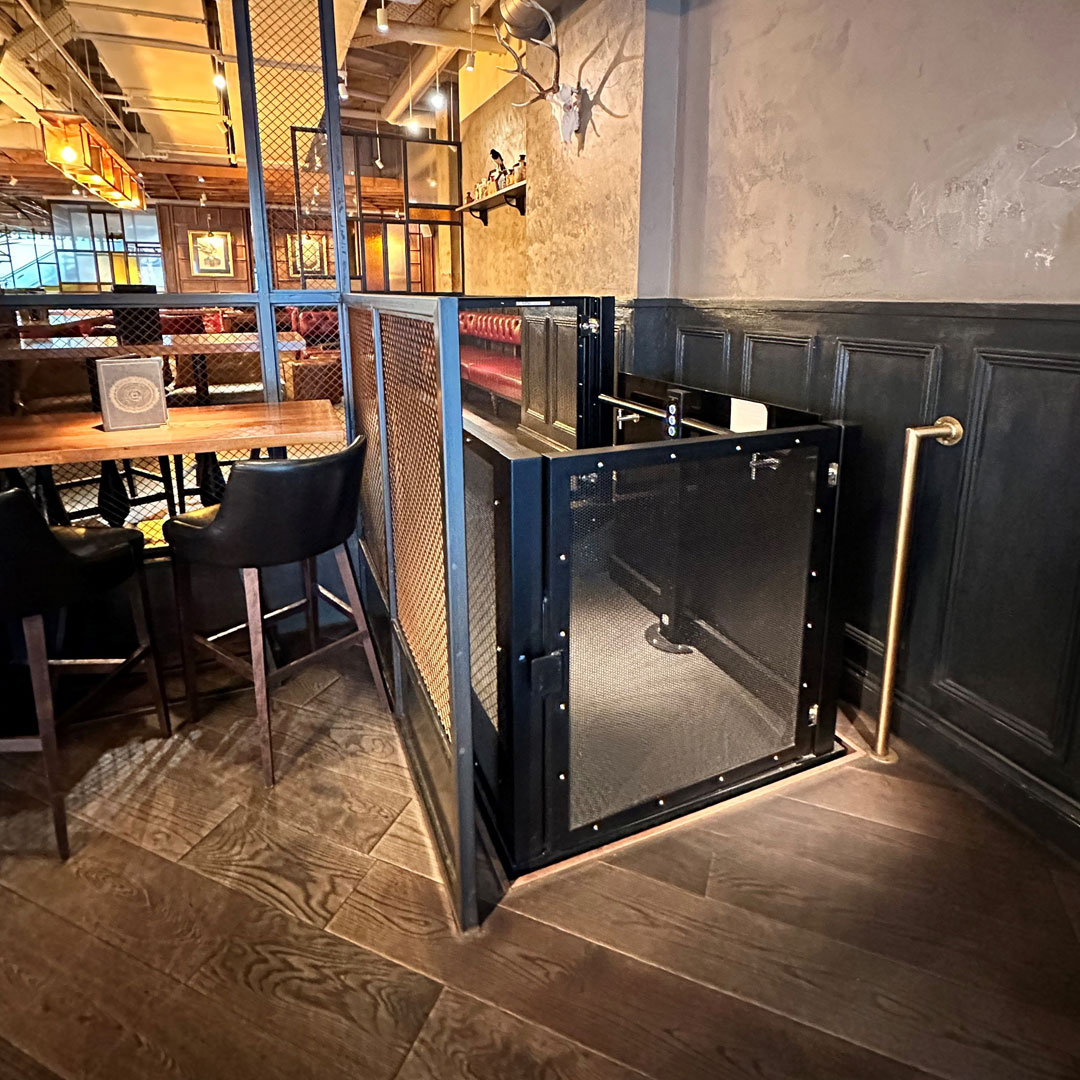
In contrast, a platform lift is engineered with a much smaller footprint and requires minimal structural alteration. Most modern units can be installed within a self-supporting shaft, meaning they do not rely on the building walls for stability. They often require a pit depth of as little as fifty millimetres, or can even be installed directly onto the floor with a small ramp. For a facilities manager, this simplicity translates into a significantly lower installation cost. By avoiding the need for extensive excavation and reinforced masonry, the initial budget request is far easier to justify.
Minimising Operational Downtime
For any commercial space, whether it is a retail hub, a busy office, or a public building, the duration of construction is a critical factor. The installation of a traditional elevator is a lengthy process that can disrupt the building for several weeks or even months. This downtime carries an indirect cost through lost productivity, restricted access, and general operational friction.
The mechanical design of a platform lift allows for a much faster deployment. Because the components are often modular and do not require the same level of heavy on-site construction, the installation window is drastically reduced. A professional installation team can often have a platform lift fully operational within a matter of days. For the operations manager, this efficiency is a powerful tool for maintaining a steady operational tempo. Showing a reduced impact on the daily running of the business is a key factor in securing approval for facility upgrades.
Long Term Energy and Maintenance Savings
Beyond the initial purchase and installation, the total cost of ownership is where the platform lift often demonstrates its greatest value. Traditional passenger lifts are energy-intensive, requiring high levels of power to move the heavy cab and counterweight systems, even when carrying light loads. They also contain a vast number of moving parts that require frequent, specialised servicing to remain compliant and safe.
Platform lifts are designed with a focus on efficiency. Many units use screw and nut or advanced hydraulic drives that only consume power when the lift is in motion. This leads to a lower energy profile, supporting the sustainability goals of the organisation and reducing monthly utility bills. Maintenance requirements are also generally less intensive. Because the mechanical systems are simpler, the service intervals are often less frequent, and the replacement parts are more cost-effective. For a facilities manager, this means a more predictable and lower annual maintenance budget, freeing up funds for other critical site improvements.
Flexibility in Architectural Integration
In many historic or existing commercial buildings, the structural integrity of the site may not support the heavy loads of a traditional elevator. Retrofitting a passenger lift into a building that was not designed for one is a technical and financial challenge that can often lead to project creep and unexpected costs.
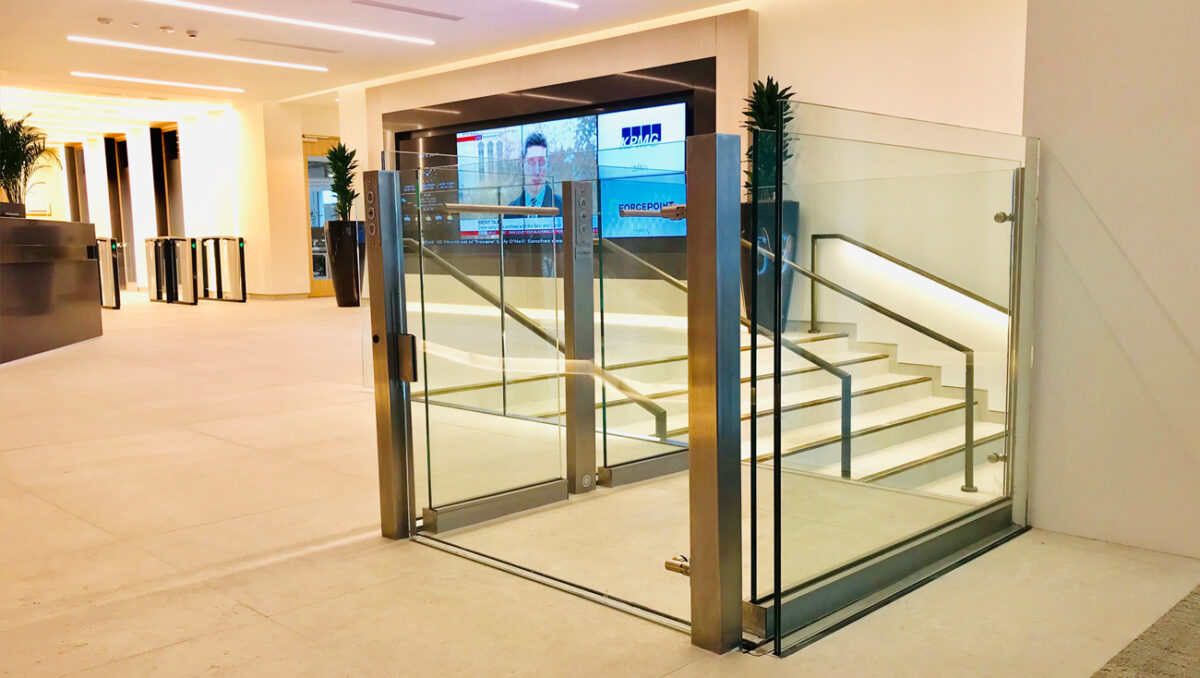
Platform lifts offer superior architectural flexibility. Their compact nature allows them to be placed in areas where a traditional lift simply would not fit. Because they do not require a separate machine room, the available floor space is maximised, which is a vital consideration in high-value commercial real estate. This ability to provide high-quality vertical transport without compromising the layout of the building ensures that the project remains within its original scope and budget.
Supporting Workplace Safety and Compliance
While the cost benefits are clear, the technical authority of a platform lift also ensures full compliance with accessibility and safety standards. These units are built to provide a reliable service that meets all legal requirements for vertical movement in a commercial setting. From a health and safety perspective, providing a dependable mechanical transition between levels reduces the risks associated with stairs and ensures that the building remains inclusive for all users.
By selecting a platform lift, the management team is not just saving money; they are investing in a proven, durable solution that is fit for the demands of a high-traffic environment. The robust construction and safety features ensure that the lift remains a functional asset for the long term, protecting both the users and the building owners.
Securing the Future of Facility Infrastructure
The decision to choose a platform lift over a passenger lift is a strategic one that benefits the bottom line and the operational efficiency of the building. By highlighting the reduced structural requirements, the speed of installation, and the lower ongoing costs, facilities managers can present a clear and persuasive case for budget allocation. This approach ensures that the facility remains modern and accessible while maintaining a disciplined focus on fiscal responsibility.
To learn more about how a platform lift can be integrated into your commercial space with minimal disruption and maximum cost efficiency, contact us today.