
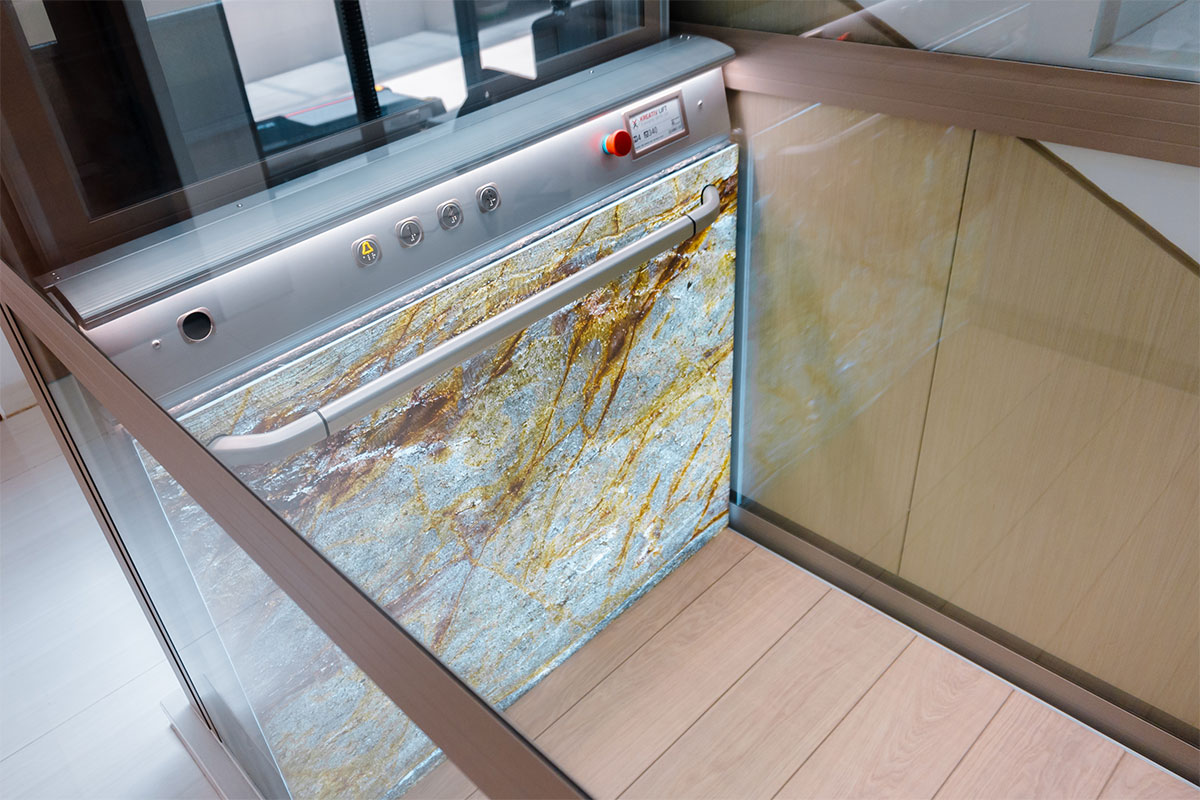
The architectural transition between floor levels represents a significant area of risk within the modern workplace. In many commercial and residential developments, short level changes are often managed with temporary ramps or, more frequently, manually. For health and safety professionals and facilities managers, these transition points are prime locations for musculoskeletal injuries and accidents. Integrating a professional step lift into the building fabric is a technically superior method of managing these risks, moving the focus from physical exertion to mechanical precision.
The Mechanical Logic of Risk Mitigation
A step lift is a robust hydraulic platform designed to bridge vertical gaps of up to two metres. Unlike passenger-focused units, a lift specified for goods, bins, and bikes is engineered for high-cycle durability and structural integrity. The primary function of this technology is to remove the human element from the lifting process. By providing a stable and powered transition, the lift ensures that the weight of the load is entirely supported by the machinery.
From a technical perspective, the use of a step lift addresses the core requirements of a manual handling risk assessment. It provides a level, controlled environment for moving items that are too heavy or awkward to be carried safely. This mechanical intervention is the most effective way to protect staff from the cumulative strain of repetitive lifting and the acute trauma of heavy load failure.
Protecting Staff from Musculoskeletal Injuries
Back injuries and long-term musculoskeletal disorders remain the leading causes of workplace absence in the UK. When staff are required to pull heavy bins up an incline or carry bulky delivery crates up a short flight of steps, the strain on the spine and joints is significant. Even a small level change of two or three steps can create a pivot point where a momentary loss of balance leads to a serious injury.
A step lift removes this danger by allowing the operator to simply wheel the load onto the platform. The hydraulic system then performs the vertical movement with a smooth, controlled action. This approach is particularly vital for handling items such as e-bikes and cargo bikes, which can weigh upwards of thirty kilograms. By ensuring that the staff member never has to take the weight of the item while navigating a change in level, the risk of back injury is virtually eliminated.

Aligning with RIDDOR and Health and Safety Compliance
For those responsible for site safety, the installation of a step lift provides a definitive response to the Reporting of Injuries, Diseases and Dangerous Occurrences Regulations (RIDDOR). A significant proportion of RIDDOR reports are linked to handling and lifting accidents that could have been prevented with the correct mechanical aids.
By installing a dedicated lift for goods and bins, a business demonstrates a proactive commitment to the hierarchy of control. Rather than relying on staff training or personal protective equipment, the hazard (the manual lifting of heavy loads over steps) is removed entirely. This direct mapping to health and safety best practices provides a robust defence during safety audits and reduces the likelihood of costly legal claims or insurance premium increases.
Secure Handling of Waste and Deliveries
The movement of four-wheeled waste bins is a high-risk activity. When full, these containers possess immense kinetic energy; if a bin slips on a ramp or a step, the operator has little chance of stopping it. A step lift configured with a non-slip floor and safety barriers provides a secure enclosure for waste management.
Similarly, for goods in departments, the transition from a delivery vehicle to the store room must be seamless. A step lift ensures that roll cages and heavy cartons are moved without the jarring or tipping that occurs with manual hauling. This structural durability protects not only the staff but also the goods themselves, ensuring a high return on investment through reduced stock damage and improved operational tempo.
Technical Reliability and Safety
The effectiveness of a safety installation depends on its mechanical reliability. Lyfthaus engineering focuses on heavy-duty components that withstand the rigours of a service environment. High-grade steel, reinforced hydraulics, and weatherproof electrical systems ensure that the lift remains a dependable safety tool, regardless of the frequency of use.
Regular maintenance is the final component of a safe workplace strategy. A systematic regime of inspections ensures that safety sensors, gate interlocks, and hydraulic pressures remain within technical tolerances. This commitment to equipment integrity ensures that the lift continues to protect staff for years, providing a consistent and reliable solution to the challenges of vertical material handling.
Securing Long-Term Operational Safety
Using step lifts for the transport of goods, bins, and bikes is a fundamental safety decision. By prioritising mechanical solutions over manual effort, facilities managers can significantly reduce the risk of workplace injuries and ensure full compliance with modern health and safety standards. This technical authority not only safeguards the health of the workforce but also reinforces the operational efficiency and structural integrity of the building.
To discuss how a tailored lifting solution can improve your site safety and meet your specific manual handling requirements, contact our team today. We provide the technical expertise to ensure your facility remains a safe and productive environment.